Cape Verde vs FIFA: World Cup Rise
The Cape Verde national football team represents Cabo Verde in international men’s football, competing in Africa through the Confederation of African Football and on the global stage under FIFA. Known...

Cape Verde vs FIFA: World Cup Rise
The Cape Verde national football team represents Cabo Verde in international men’s football, competing in Africa through the Confederation of African Football and on the global stage under FIFA. Known as the Blue Sharks, the team became a serious continental force after reaching the Africa Cup of Nations quarter-finals in 2013 and again in 2023. Cape Verde qualified for the 2026 FIFA World Cup, a historic first appearance at the tournament, after a decisive qualifying campaign in Africa. The squad combines players developed in Portugal, France, the Netherlands, and other European leagues with a disciplined national-team structure. Their strengths include compact defending, rapid transitions, aerial power, and set-piece efficiency, while limited squad depth remains a concern against elite opposition. For supporters and match analysts, the practical takeaway is clear: assess Cape Verde through tactical matchups, confirmed lineups, venue, and late injury news rather than reputation alone.

Photo by KCN Photographie on Pexels
The Quick Comparison
| Category | Cape Verde national football team | Established World Cup alternative |
|---|---|---|
| FIFA confederation | CAF | UEFA, CONMEBOL, or other confederation |
| Nickname | Blue Sharks | Depends on the opponent |
| Major continental breakthrough | AFCON 2013 quarter-finals | Often deeper tournament history |
| World Cup status | First qualification for 2026 | Usually established tournament experience |
| Tactical identity | Compact, physical, transition-focused | Often more possession-oriented |
| Main analytical question | Can the defense survive sustained pressure? | Can the favorite break a low block? |
Cape Verde is not a conventional heavyweight, and that is precisely why serious football analysis cannot stop at a ranking number. The country’s football story is built on geography, diaspora, coaching continuity, and an unusually resilient player pool. The islands of Santiago, São Vicente, Sal, and Boa Vista are separated by ocean, yet the national team draws together footballers with Cape Verdean heritage from Lisbon, Rotterdam, Paris, Boston, and beyond. That recruitment network has transformed the Blue Sharks from an occasional qualifier into an organized African contender.
Listen up — this is the part that matters: a betting or forecasting model should separate historical prestige from current match value. Cape Verde may not dominate possession against Argentina, Spain, or Uruguay, but a compact 4-3-3 or 4-2-3-1 can make the team difficult to break down. Football Compass follows that distinction by tracking tactical shape, shot quality, turnovers, substitutions, and net betting position rather than merely cheering for the underdog like a man who has misplaced his spreadsheet.
[Internal Link: 2026 FIFA World Cup team profiles]
Want the broader tournament context before examining the Blue Sharks in detail?
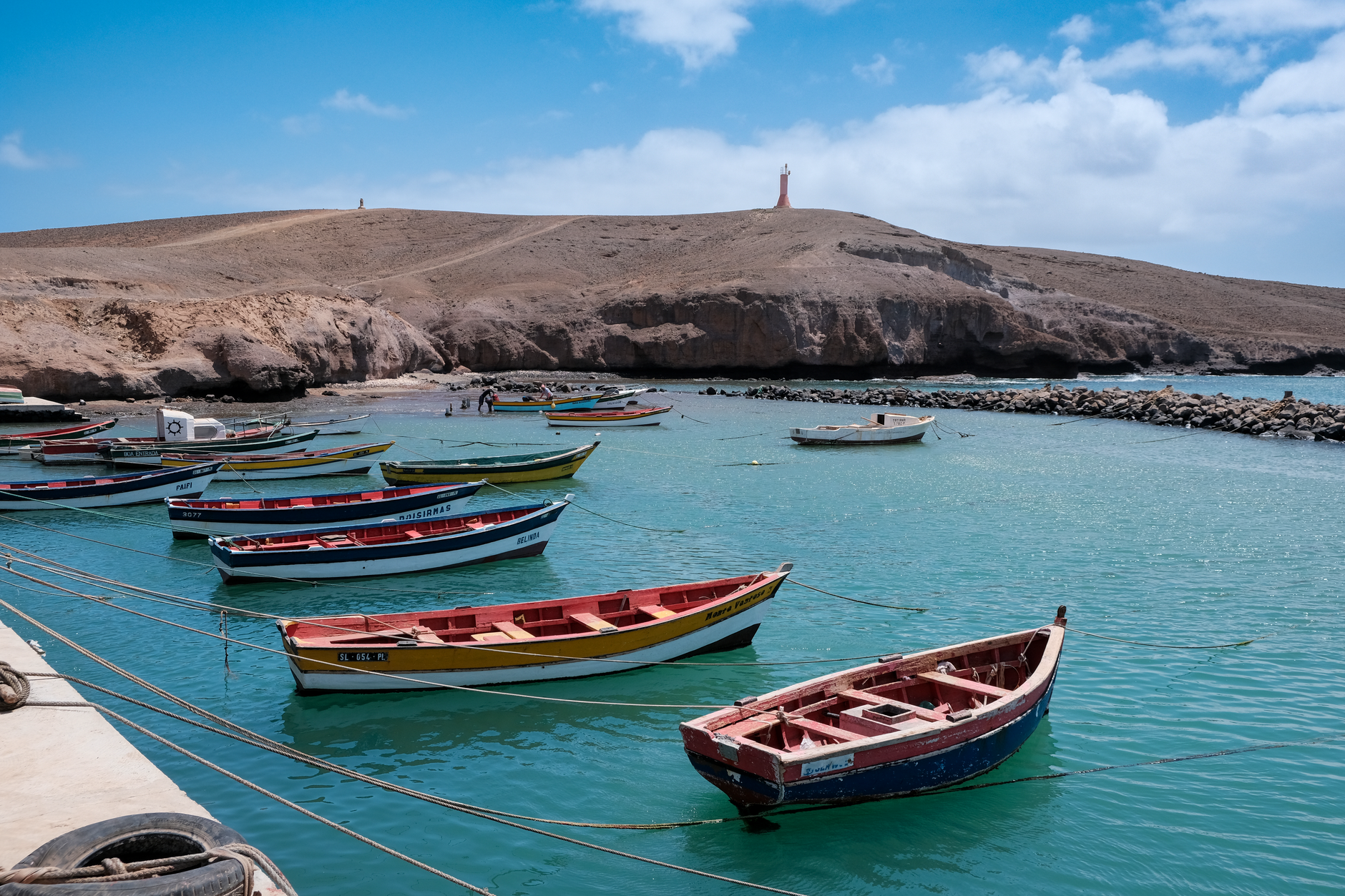
Photo by Rob Mowe on Pexels
Round 1: What Defines Cape Verde’s Football Identity?
Cape Verde’s football identity is defined by defensive organization, direct progression, and the intelligent use of physically strong attackers. The team usually prefers a compact structure that protects the central corridor before accelerating through wide areas or early forward passes. This approach suits a nation whose best players have often competed in Portugal, France, the Netherlands, and other demanding European environments. According to the FIFA national-team profile, Cape Verde’s development has been closely linked to the rise of its international player base and improved competitive consistency.
The country’s modern breakthrough arrived at the 2013 Africa Cup of Nations in South Africa. Cape Verde reached the quarter-finals in its debut appearance, defeating Angola and Morocco during the group phase before losing to Ghana. That run changed the external perception of the team: the Blue Sharks were no longer simply an exotic participant, but a national side capable of managing tournament pressure. In 2023, Cape Verde again reached the AFCON quarter-finals, beating Mauritania in the round of 16 before Morocco ended the campaign.
Several characteristics repeatedly appear in Cape Verde matches:
- A narrow defensive block that denies central passing lanes.
- Strong challenges in midfield and second-ball contests.
- Fast attacks after winning possession.
- Dangerous deliveries from corners and wide free kicks.
- A willingness to defend without the ball for long stretches.
- Heavy dependence on concentration during the final fifteen minutes.
The most useful non-obvious insight is that Cape Verde’s transition threat is often more important than its raw possession percentage. A side holding 35–40 percent possession can still create the better chances if it wins the first duel after an opponent’s failed attack. Analysts should therefore record turnovers in the middle third, progressive carries, and the number of defenders facing their own goal. A possession-only model may undervalue Cape Verde; a transition-adjusted model gives a more realistic picture.
According to the Confederation of African Football, tournament football rewards game management as much as attacking volume. CAF’s competition regulations emphasize that “fair play and respect for the Laws of the Game” remain central to match administration, a reminder that discipline and officiating context can materially influence a compact team’s strategy. Cape Verde’s edge is not magic; it is structure, timing, and repeated execution.
Round 2: How Has Cape Verde Reached the 2026 World Cup?
Cape Verde reached the 2026 FIFA World Cup through a qualifying campaign that converted long-term progress into a historic result. The qualification is the country’s first appearance at the senior men’s World Cup, making the achievement significant both competitively and culturally. Cape Verde finished above stronger-established African football nations in its qualifying group, showing that organization and consistency can defeat a larger football economy over a long schedule.
The qualifying format in Africa expanded the opportunity because the 2026 tournament includes 48 teams, with CAF receiving more direct places than in previous editions. That structural change matters, but it should not diminish Cape Verde’s accomplishment. Expanded access creates opportunity; it does not win away matches, protect a lead, or produce the points required over several fixtures. The Blue Sharks still needed to manage travel, injuries, different surfaces, changing tactical demands, and the emotional pressure of a nation expecting history.
For match forecasting, qualification evidence should be interpreted in layers:
- Results layer: points, wins, draws, defeats, and goal difference.
- Performance layer: shots, expected goals, field tilt, set pieces, and defensive actions.
- Context layer: home advantage, travel distance, opponent strength, and lineup availability.
- Market layer: opening odds, closing odds, handicap movement, and liquidity.
- Risk layer: whether a key central defender, goalkeeper, or striker is unavailable.
This is where an investor mindset protects the reader. A qualifying win at home against a lower-ranked opponent should not be treated as equivalent to a disciplined away draw against a tournament-caliber side. Track return on stake separately from prediction accuracy: a bettor can identify the correct winner repeatedly and still lose money through poor prices, excessive turnover, or an inflated rebate illusion. I have personally admired a “value” selection that turned out to be a financial donation wearing a nice jacket.
The 2026 World Cup also introduces a new test. Cape Verde will face opponents with deeper benches and greater experience in high-pressure tournament environments. The group-stage schedule, rest days, altitude, climate, and travel between host cities can influence performance as much as technical quality. A rational preview should be updated after the draw and again when final squads are announced.
[Internal Link: how to read World Cup qualifying form]
Get a sharper framework for separating genuine value from attractive headlines.
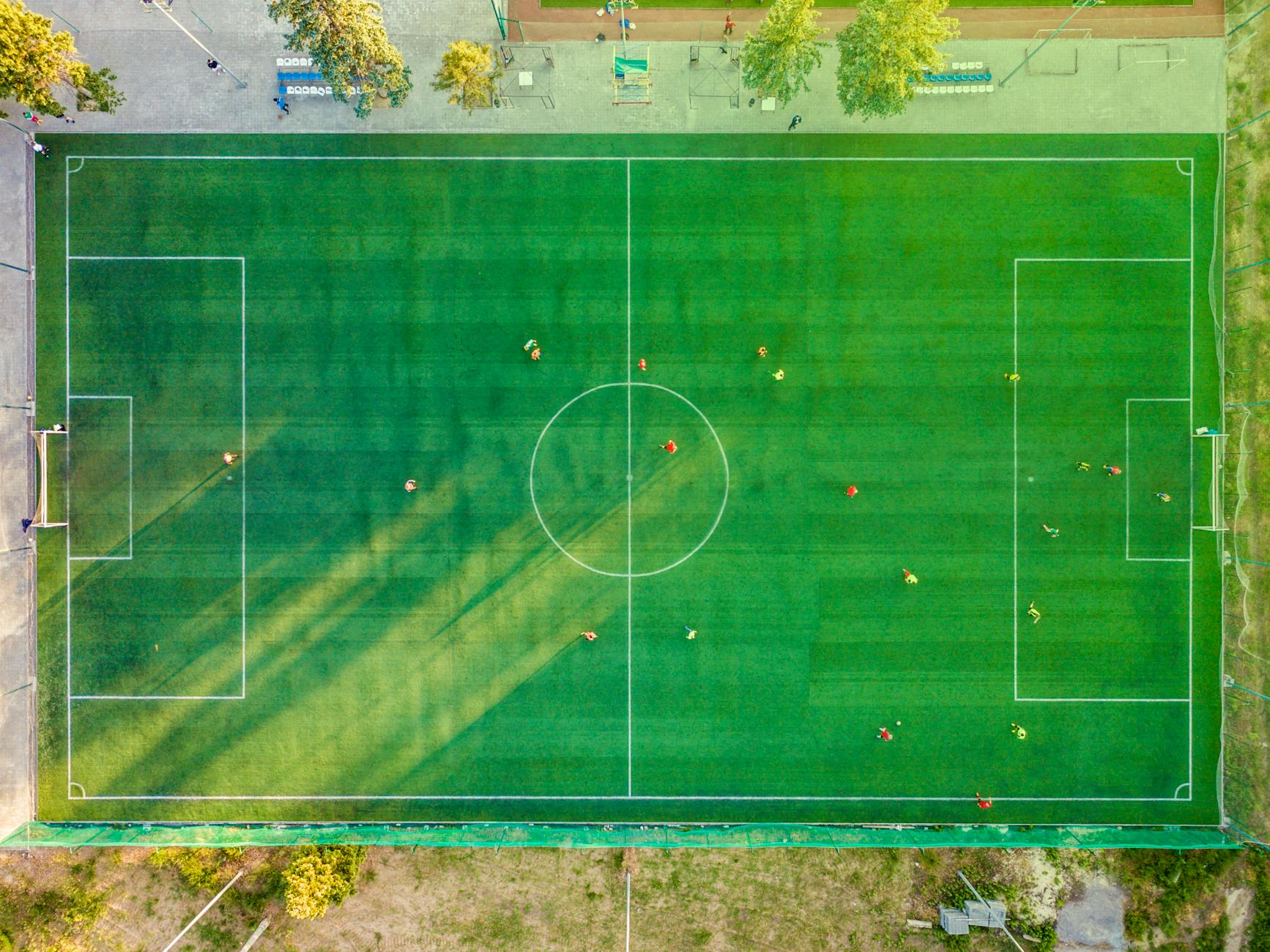
Photo by Mike on Pexels
Round 3: Which Players and Tactical Factors Matter Most?
The most important Cape Verde tactical factors are goalkeeper reliability, center-back availability, midfield ball recovery, and the ability of wide attackers to carry the ball into space. The team’s player pool has included prominent professionals such as Ryan Mendes, Bebe, Garry Rodrigues, Jamiro Monteiro, and Logan Costa, although selections and roles can change between international windows. Because national-team squads evolve, verified call-ups and current club minutes matter more than a famous name printed on an old team sheet.
Ryan Mendes has been one of Cape Verde’s most recognizable attacking figures, offering experience, ball retention, and the ability to create from wide positions. Bebe has provided physical presence and striking power, while Jamiro Monteiro has represented the technical and connective side of the midfield. Logan Costa, developed in France, illustrates the newer generation of defenders capable of competing in European professional systems. These players should not be evaluated only through goals and assists; progressive passes, carries under pressure, aerial duel success, and defensive recoveries reveal more about their tactical value.
A practical pre-match checklist should include:
- Confirm the starting goalkeeper and center-back pairing.
- Check whether the primary ball-progressor is fit.
- Compare the opponent’s press intensity with Cape Verde’s buildup quality.
- Review corner and free-kick tendencies.
- Measure the team’s performance after conceding first.
- Examine substitutions from the previous three matches.
- Separate friendly-match statistics from competitive fixtures.
One information gain that casual previews often miss is the substitution effect. Cape Verde can look excellent for 55 or 60 minutes, then lose territorial control when the midfield’s running power declines. Therefore, live bettors should not blindly follow a pre-match underdog price after a strong opening spell. Watch whether the team continues winning second balls and whether the full-backs can recover into shape. If those indicators disappear, the original tactical edge may have expired before the scoreboard catches up.
The same principle applies to totals markets. A low-scoring first half does not automatically mean the match will finish under a chosen line. If the favorite is generating repeated cutbacks, forcing defensive clearances, and pinning Cape Verde’s wide players deep, pressure may eventually create a late goal. Conversely, if Cape Verde is controlling the central zones and forcing speculative shots, the quiet opening may reflect genuine defensive control rather than bad finishing.

Photo by Thirdman on Pexels
Curious how player availability changes the forecast? Compare confirmed squads with tactical roles before placing any wager.
The Final Score & Who Should Pick What
Cape Verde should be viewed as a dangerous, well-organized World Cup newcomer rather than a guaranteed underdog winner. The Blue Sharks merit respect because their continental record, European-based player pool, defensive compactness, and 2026 qualification all point to sustainable progress. However, tournament depth remains the central concern: against elite opponents, a narrow margin can vanish through one set piece, one fatigue-induced turnover, or one unavailable defender.
Different readers should use different evaluation methods:
- Fans: follow the team’s historic first World Cup campaign and watch how its defensive identity travels outside Africa.
- Tactical analysts: focus on transition moments, pressing resistance, set pieces, and the final fifteen minutes.
- Data bettors: compare expected-goal quality with possession, then account for squad news and opponent strength.
- Conservative bettors: consider handicap protection rather than demanding a straight win.
- High-risk bettors: limit stake size because variance is elevated when a first-time World Cup participant faces elite depth.
- Long-term followers: monitor player development, coaching continuity, and FIFA ranking movement.
Football Compass recommends a disciplined process: record the opening price, closing price, stake, turnover, rebate, and net result. Do not confuse a busy betting account with a profitable one. A 5 percent rebate cannot rescue a poor price if the underlying expected value is negative, and no patriotic impulse should overrule confirmed tactical evidence. Cape Verde may be the romantic pick, but romance is a dreadful accountant.
The final verdict is favorable but measured. Cape Verde’s greatest competitive weapon is not one superstar; it is the collective ability to remain compact, fight for second balls, and attack quickly when opponents overcommit. Its greatest weakness is limited depth against sustained high-level pressure. For the 2026 FIFA World Cup, the most sensible prediction is that Cape Verde can frustrate stronger nations, compete for points, and potentially produce an upset if its defensive spine remains healthy.
[Internal Link: World Cup betting bankroll management]
Ready to follow every Cape Verde result, lineup update, and tactical shift?
Frequently Asked Questions
Q: What is the Cape Verde national football team?
A: The Cape Verde national football team is the men’s representative side of Cabo Verde, competing in CAF and FIFA tournaments. Known as the Blue Sharks, the team made its AFCON debut in 2013 and reached the quarter-finals in 2013 and 2023. Cape Verde qualified for its first FIFA World Cup in 2026, marking the largest achievement in the country’s football history.
Q: How did Cape Verde qualify for the 2026 World Cup?
A: Cape Verde qualified by finishing at the top of its African qualifying group during the 2026 FIFA World Cup qualification campaign. The expanded 48-team tournament gave CAF additional direct places, but Cape Verde still had to collect enough points across a demanding group. Its qualification reflected consistent results, defensive organization, and improved player depth rather than a single fortunate match.
Q: Is Cape Verde a strong football team?
A: Cape Verde is a competitive African team with a disciplined defense, dangerous transitions, and proven AFCON tournament experience. It is not usually ranked among the global elite because its squad depth and attacking resources are smaller than those of Argentina, Spain, Brazil, or France. Nevertheless, its compact shape can make it a difficult opponent, especially when it scores first.
Q: What is the difference between Cape Verde and stronger World Cup teams?
A: The main difference is squad depth, not commitment or tactical intelligence. Cape Verde can organize an effective starting eleven, but elite nations usually replace injured or fatigued players with alternatives of similar international quality. This gap becomes most visible after 60 minutes, during congested schedules, or when a match requires the underdog to chase the game.
Q: How should I analyze a Cape Verde match before betting?
A: Begin with the confirmed lineup, opponent strength, venue, travel conditions, and the likely tactical matchup. Then check set-piece records, defensive injuries, transition chances, and market movement rather than relying on the team’s nickname or recent score alone. Record stake, odds, turnover, rebate, and net result so that a short winning streak does not disguise poor long-term pricing.
Q: What problems can affect Cape Verde’s performance?
A: The most common problems are limited squad depth, fatigue, injuries in central defense, and difficulty maintaining possession against an aggressive press. These issues become more serious when the team concedes first and must leave its compact structure. Check substitutions, midfield recoveries, and the opponent’s territorial pressure before assuming a strong first half will continue.
Q: Is following Cape Verde free?
A: Following Cape Verde news, fixtures, results, and public tournament information is generally free through FIFA, CAF, ESPN, and Football Compass. Paid services may charge for advanced statistical databases, proprietary forecasts, or specialized betting analysis. Always verify the provider’s terms, compare information quality, and never treat paid predictions as guaranteed returns.